
Lighting Shop Shopping Tips: How to Compare Products and Prices
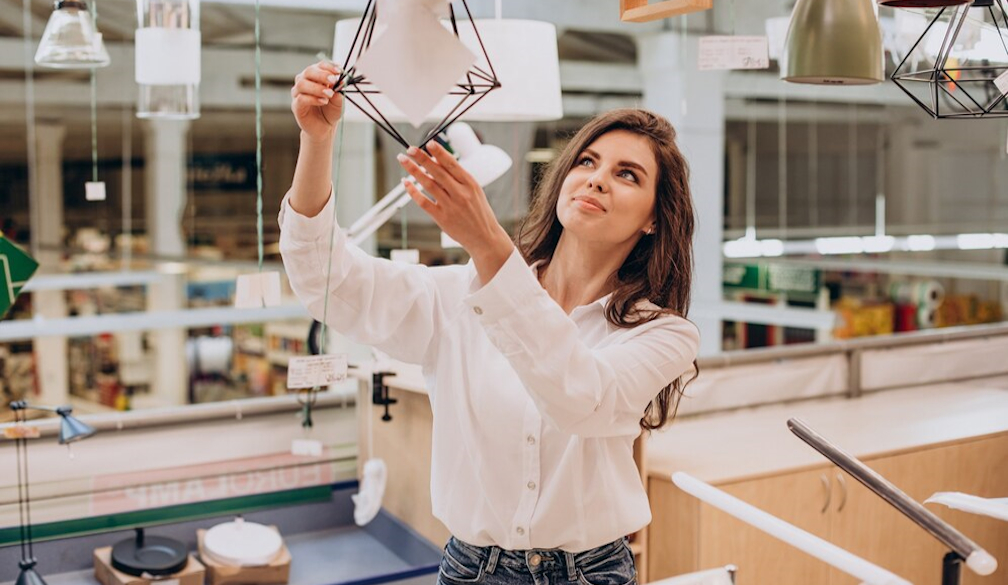
When it comes to illuminating your home, choosing the right lighting can make a significant impact on both functionality and aesthetics. With numerous options available, shopping for lighting can be overwhelming. If you’re heading to a lighting shop in Perth or exploring options online, here are some essential tips for comparing products and prices to make an informed decision.
1. Assess Your Space
Before you start comparing products, it’s important to assess the space you’re lighting. Consider the purpose of the room and the type of lighting required. For instance, a kitchen might need bright, focused lighting for cooking, while a living room might benefit from softer, ambient lighting. Understanding your needs will help you choose the right type and style of lighting.
2. Determine the Type of Lighting
There are several types of lighting to consider, including ambient, task, and accent lighting. Ambient lighting provides overall illumination, task lighting is focused on specific activities, and accent lighting highlights particular features. Knowing which types of lighting you need for each area will guide you in selecting the right products.
3. Evaluate Quality and Materials
When comparing lighting products, quality and materials are crucial. Check the materials used in the construction of the lighting fixtures, as this can impact durability and performance. High-quality materials like metal or glass are often more durable than cheaper alternatives. Additionally, look for products with good reviews and warranties, as these can be indicators of reliability.
4. Consider Energy Efficiency
Energy efficiency is an important factor in today’s environmentally conscious world. Look for lighting products that use LED or CFL bulbs, as these are more energy-efficient compared to traditional incandescent bulbs. Energy-efficient lighting not only reduces electricity bills but also has a longer lifespan, saving you money in the long run.
5. Check Light Output and Colour Temperature
Different lighting products offer varying levels of light output and colour temperature. Light output, measured in lumens, determines how bright the light is. Colour temperature, measured in Kelvins (K), affects the light’s appearance – whether it’s warm, cool, or neutral. Ensure the lighting products you’re considering provide the right light output and colour temperature for your space.
6. Set a Budget
Establishing a budget before shopping helps narrow down your options and prevent overspending. Lighting products can vary significantly in price, so having a clear budget in mind will make it easier to compare products within your price range. Consider both the initial cost and long-term savings from energy-efficient options.
7. Look for Sales and Discounts
Lighting shops in Perth and online retailers often offer sales and discounts on various products. Keep an eye out for these promotions to get the best value for your money. Additionally, signing up for newsletters or following your preferred lighting shop on social media can alert you to upcoming sales and exclusive deals.
8. Compare Prices Online and In-Store
Comparing prices both online and in-store can help you find the best deals. While online shopping offers the convenience of browsing from home, visiting a lighting shop in Perth allows you to see and feel the products firsthand. Compare the prices and consider any shipping costs or in-store promotions when making your decision.
9. Review Return Policies
Before making a purchase, review the return policy of the lighting shop. In case the lighting product does not meet your expectations or is not suitable for your space, a flexible return policy allows you to exchange or return the product. This ensures you have peace of mind when making your purchase.
10. Seek Expert Advice
If you’re unsure about which lighting products are best for your needs, seek expert advice from lighting specialists. Many lighting shops in Perth have knowledgeable staff who can provide recommendations based on your requirements and preferences. Their expertise can help you make an informed choice and find the perfect lighting solutions for your home.
Conclusion
Shopping for lighting involves more than just picking a fixture that looks good. By understanding your lighting needs, comparing product quality and features, evaluating energy efficiency, and comparing prices, you can make a well-informed decision. Whether you’re visiting a lighting shop in Perth or shopping online, these tips will help you find the best lighting solutions that fit your budget and enhance the beauty and functionality of your home.